Sunday, April 28, 2013

You Are Not Alone: The Importance of Finding a Patient Community

As a chronic illness patient, it's easy to feel alone in your circumstances. Navigating the medical community is arduous at best, terrifying at worst, and sometimes it seems that there couldn't be a person in the world who understands what you're going through. The reality is that there are a whole lot of people who are dealing with the same things, and when things are really bad it's important to have a community to fall back on to show you it couldn't be further from the truth. Having people to gripe to, to ask advice from, and to share camaraderie with helps remove some of the fear and depression innate in any chronic illness.

These communities exist in many different forms. They are certainly not one-size-fits-all. There are a myriad of disease specific communities, and communities for disease in general. Here are some places you might find your community.

  • DailyStrength. DailyStrength (called DS by it's users) has a multitude of support groups for all different illnesses, as well as for interpersonal problems ranging from loneliness to divorce.  I've mentioned this site before, and I'll mention it again, because I've found it to be a wonderful place to get support and ask questions. 
  • Hospital-Facilitated Support Groups: Many healthcare organizations run patient-to-patient support groups face-to-face a couple times a month. Most places have things like cancer and dialysis support; finding a chronic pain support group might be a bit more difficult, but certainly not impossible. Most hospitals keep listings of support groups on their websites; the local newspaper is another place to look.
  • Awareness activities:  Organizations hold events to promote awareness for various conditions, and if you're able to attend it's a great place to meet other people suffering the same thing. This type of event is much easier to attend if you live in a larger area, but sometimes they pop up in small towns too. The   Americaan Chronic Pain Association's   calendar tracks chronic pain events, here's a schedule for Arthritis Walks by state.
  • Social Media: If just the idea of going the an arthritis walk makes your knees ache, social media is another viable way to connect with other people in the chronic illness community. Twitter, Tumblr, Facebook... all have huge amounts of followers, and many accounts held by people with chronic illness. Searching tags is often the best way to find these groups; once found, suss them out of a few days to make sure it's the type of community you'd like to be involved in and have your name/handle attached to.

Thursday, April 25, 2013

Chronic Pain Fashion, Part 1; Ditching the Pants

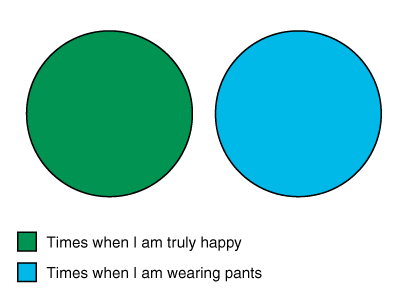
When you're dealing with joint pain (and tummy issues from medication) like me, the vast majority of pants are hell. Jeans are particularly foul culprits; hard to pull on, painful to zip and button, and either too constricting or always falling down. Unfortunately, pants are now ubiquitous in our society. So what are some other options? Dresses, skirts, and the elusive pair of pants that doesn't suck. Here are some tips on each.


  • Dresses. Flow-y and loose, dresses are a great wardrobe choice when dealing with chronic pain, because good ones essentially feel like wearing nothing. I like ones with some elastic that you can either step into or pull over. Cotton or jersey are breathable and don't put much pressure on your body in the way some synthetic materials do. They allow free movement, most don't have any fasteners to deal with, and they look super classy. Unfortunately, they're not great in colder weather, harder to get on when your arms are painful and stiff, and bad for high-wind.


Found here
Found here


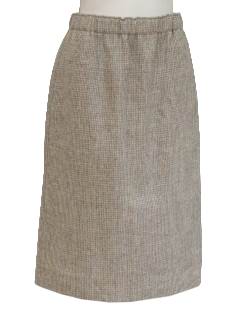
  • Skirts. The trick to finding the right skirt is to find a great fit and a nice material. I usually avoid any fasteners other than snaps to be easy on my hands. Skirts are a viable option for winter if they're long enough and made of the right stuff; wool is warm and comfy if you wear tights or leggings under to protect from itchiness. Good for when you can't get your arms above your  head


Found here
Found here


  •  Alternative Pants. I know, it sounds counter-intuitive to the blog title, but not all pants are evil, and there are times when skirts and dresses simply aren't appropriate. One major time when I don't want to be caught with any sort of bare leg is dusk in Mosquito Country. Pants are required. The key to good pants are movement, softness of material, and fastener type.You want something that flexes with your body, rather than doing anything to constrain it.One design that keeps this in mind is the yoga-pant. Yoga pants are built for maximum comfort, and usually just slide right on without any fastening. They come in a variety of prints, and some actually look pretty classy. They also make your butt look fantastic. Cotton dress pants are another good alternative. I look for them in the mens section, since the sizing there actually makes sense and they're usually cheaper than ladies dress pants. Snaps and hooks are good fasteners. 


Found here
Found here


*I don't have personal experience with the articles of clothing pictured above, just with similar clothes. It's up to you to try it on and find out if it's comfortable for you or not!

Wednesday, April 24, 2013

How to Survive Chronic Illness: Letting go of Regret

Chronic illness makes you a flake.There's not many other ways to say that, though I certainly don't mean "flake" in the derogatory sense. Chronic illness makes you a flake because you never know when you're going to have to cancel plans. When you live with a debilitating illness, there are times when everything else must get pushed to the side while you just try to get through each minute of the day. No matter how hard you try, some things must get pushed to the wayside. This can cause a lot of feelings of regret and shame.

I bombed my last quiz of my undergrad career today after rushing through it, because my morning Voltaren was destroying my insides and I needed to get home and to the bathroom, stat. This isn't the first time that my grade has taken a hit as a direct result of being chronically ill, and it's not the worst; other times, I haven't made it to class to take an exam and had my grade dramatically reduced for the class. In the past, pain has left me trapped in bed, unable to attend birthday parties, baby showers, Thanksgiving Dinner. Each time I miss an important event, or have an event ruined by my symptoms, I begin to feel a big monster of regret looming over me. Here are some tips for beating the monster back.

  • Realize that one experience doesn't dictate the whole of your life. When things start falling apart, it's easy to make generalizations and start telling yourself that you'll never succeed, that you'll always miss out on fun events, or that your disease is always ruining your life. All-or-Nothing thinking like this really is toxic. Each event is independent. Just because I bombed this test because of my health doesn't mean I'll bomb every test. Sometimes I have fewer symptoms, and I do quite well.
  • Accept that you are not responsible for your body. Sometimes it's hard not to feel responsible for what your body is doing, but you are not liable. True responsibility requires the choice of doing otherwise. Simply willing symptoms to stop is as effective as willing your heart to stop beating; it simply continues; you have no choice.
  • When appropriate, let people know why you can't attend an event. This may not be appropriate in every setting-- for instance, I keep explanations for absence to teachers very brief and try to simply provide appropriate documentation-- letting people know why you can't show up absolves any hard feelings. If you just keep canceling plans with only vague explanations, your loved ones may feel hurt and abandoned. It might seem obvious to you that you're  missing an event because you're in a lot of pain, but it isn't so obvious to outsiders. By letting them know, they'll be sure to keep including you in the future, rather than withdrawing.
  • Develop creative alternatives whenever you can. Really try to brainstorm alternatives to situations that make you feel regretful. One of my big ones as a student was missing class: I've had professor who were kind enough to record their classes and post them online for access if you miss class. I've had Skype dates with friends when I couldn't leave the house to go out to dinner. "Pajama" themed get-togethers at my place and delivery pizza can replace fancy nights dancing. If you can find ways to connect even when you're feeling your worst, the regret monster doesn't have a chance to come out in the first place!

Tuesday, April 23, 2013

To document or not to document? That is the question

Living with a chronic illness, it's easy to push the little symptoms under the rug. When you're dealing with the basic problems of arranging medical care and somehow still managing to live your life, the task of devoting even more time to documenting symptoms and changes is daunting. It's hard to know exactly how updated you should keep your doctor.

One way of monitoring symptoms is to keep a pain or symptom journal. For people whose disease may cause times of visible change (say, a rash or swollen joints during a flare) taking photos is one option for keeping your doctor up to date. Keeping symptom journals or taking photos during symptom outbreaks has some benefits and (unfortunately) some drawbacks. Here are some pros and cons of keeping documents of your symptoms.

pro: A daily log shows changes over time. This information showing improvement or decline can be helpful when addressing your needs with your doctor. It can also provide a lot of information about whether or not a treatment plan is working.

con: Our methods of quantifying symptoms in self-report change as we adapt to them, so the information may not be valuable. I remember the first real flare I had: my chest just ached and I would have rated it 10/10 pain. However, when it didn't go away, and as it still hasn't, I adapted. Since I'm used to that pain on a daily basis, it might now only register as a 4/10, but that doesn't mean the pain has really improved.

pro:  Documentation can help show patterns in your symptoms that you weren't aware of. For example, if you track pain and food, you may find that a certain type of food makes you flare, or that your pain is correlated with times of high-stress.

con: Doctors are quick to accuse patients of catastrophizing when they appear too proactive in their healthcare. This is a major problem because it rejects the notion of patient and doctor as partner, but it still happens. I don't have any answers, and I've been jilted by this in the past, so I know it was worth a mention.

pro: Logs can be helpful reminders of infrequent symptoms. If you write down new of puzzling experiences, you can refer back to your log when you discuss it with your physician to keep the details straight in your mind.

con: Tracking your symptoms can be depressing! This is ultimately why I decided to discontinue my pain log; too many days of writing down high pain really make me start questioning my whole chronically ill existence. Because I don't have a whole lot of new symptoms and I'm not currently receiving any real treatment, the monotony of recording my pain started dragging me down.

Monday, April 22, 2013

Amphiboly: Why It's Important to Read Your Medical Records

I've (almost almost) got a BS in Philosophy, and one of the first things I learned in my curriculum were the logical fallacies. Logical fallacies are miscommunications which lead to an irrational argument. One of the most well-known logical fallacies is ad hominem, where in an argument, someone attacks a man, rather than that man's position. A less well known fallacy is amphiboly. Amphiboly happens when statements are overly ambiguous or too short to be logically meaningful.

Logical fallacies are found everywhere: news, marketing, books. But one place that they're found may surprise you: your medical records. Often, doctors fly through writing your notes after your visit, and sometimes, the results contained therein are shockingly different than what you reported. Symptoms may be listed in words that are vague or flat out wrong: "patient complains of pain" instead of "patient complains of aching and stabbing symmetrical joint pain." Doctors may also make character judgements (read: ad hominem) in your notes for other doctors to read: "needs psychiatric help," "catastrophizer," and "problem patient," are particularly damning. Unfortunately, when something gets written in your notes, it can affect the treatment you receive from everyone else in your healthcare team. There's not a whole lot you can do, but here are some tips on keeping your medical records free from fallacies. 

First, a confession: I'm not practicing what I'm about to preach. After round after round of horrible doctors notes, I've stopped being proactive about my medical records. But if you're just starting out your journey with chronic illness, keeping the record straight early on is of vital importance.

  1. Read your medical records! That should go without saying, but oftentimes we don't. Many doctors offices don't make it easy to get a hold of your records either, sometimes charging fees and actively discouraging you from getting them. Don't be dissuaded! As GI Joe always says, "knowledge is half the battle."
  2. Look for flagrant errors. Some errors are huge and easy to spot. One example: my mom had pain in her arm after radiation treatment for breast cancer. Upon talking to the oncologist, he wrote that she was having femur pain, and he called in orders to X-Ray her leg! These errors need plain-and-simple correcting. Talk to your doctor and let them know that you read your charts and there was an obvious mistake.
  3. Check for amphiboly. Is your doc glossing over your symptoms, or using phrasing that other doctors won't understand? A good way to check this is to have a friend who doesn't know your medical situation read your charts and tell you what they infer from the notes. Could they describe your symptoms accurately? If they weren't anywhere close, there may be ambiguity at play. You can't just call your doctor and ask for this to be changed, but it's important to be specific about your symptoms at future appointments and perhaps mention that you noticed they were vague in their notes. 
  4. Beware of Ad Hominem. Sometimes you think your relationship with a doctor is great...until you read their notes, and find out that they've labled you a "catastrophizer" and think you should get your head examined. If your doctor is saying things that question your character rather than your disease, beware. It may be time to find a new doctor. If you like your doctor and prefer not to switch, treat lightly when bringing things like this up. You don't want to make things worse.

Saturday, April 20, 2013

On Choosing a Bitchin' Mobility Device

Not so long ago, I became the girl with the purple cane. I had injured my left foot 2 years prior to my first JAA/chronic-pain-monster flare in 2007, and it never healed. In the years since it had only gotten worse, and after a series of falls, I found myself in the Assistive Devices aisle in a chain drugstore. The choices for mobility aids weren't overwhelming; only a couple feet of display space, but there were a fair amount of choices I had to make about what it was, exactly, that I wanted. Here are my tips on finding the right device for you.

  1. Think about what type of device suits your needs. There are a world of options out there. The store I went to had a couple different styles of crutches and walkers, and a decent selection of canes. Serendipitously, it was a cane that fit my needs. Sherman Oaks Medical Supply offers a great overview of which mobility aid might be good for you. I decided on a cane (though often long for a walker with a seat when waiting in lines!)
  2. Comfort is key; walk around a little bit with different devices and find a design that feels good to you. Canes have handles that come in many different shapes and degrees of curve.  Find one that feels great to you. If you're not sure where to stare, here is a guide which explains some different handle types. My cane has a Offset handle, which isn't listed. Consider the your material too: wood is heavy, aluminum is light. The weight really matters when you're carrying it around with you everywhere.
  3. Don't forget about aesthetics. Aesthetics was hugely important to me when picking out my cane. I didn't want one that felt too "old-fashion," so I disregarded the wood canes (I had an awful experience getting teased for borrowing a great-uncles old oak cane in 7th grade and haven't forgotten!) It was also important to me that it didn't look too clinical, so the plain silver aluminum ones were nixed. I decided to forgo a pattern, so that it would blend in a little better with my wardrobe. 

I came to the decision that a purple aluminum cane like the one here would be the best choice for me. It set me back less than $20, and it was so worth it in terms of improving my mobility.

Friday, April 19, 2013

HAWCM- Haiku

Day 13: Write a poem about your illness.

joints hurt so much that
sometimes you just lay in bed 
wanting prednisone.


Ouch. ouch. ouch. ouch. Pain.
Swollen, aching, stabbing pain.
It hurts all the time.